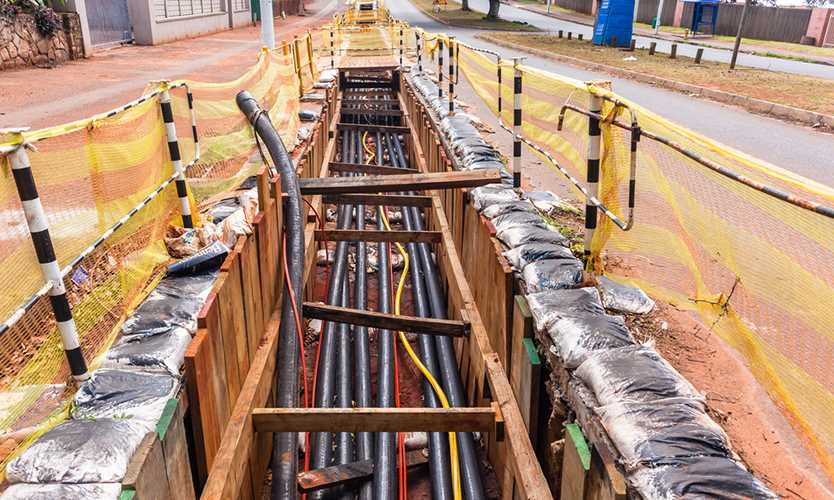
Electrical utility construction services are the backbone of today’s expanding power infrastructure, enabling reliable energy delivery across cities, industrial zones, and rural developments. As demand for stable electricity and resilient grid systems continues to rise, the importance of professional electrical utility construction services has never been greater. Companies like Instrata play a critical role in building, upgrading, and maintaining the infrastructure that powers modern life.
From underground utility installations to high-voltage transmission systems, this sector ensures that energy networks remain safe, efficient, and future-ready. In this guest post, we explore how electrical utility construction services are evolving in 2026, the technologies shaping the industry, and what businesses and communities should expect moving forward.
The Growing Importance of Electrical Utility Construction Services
Electrical utility construction services are no longer limited to traditional power line installation. Today, they encompass a wide range of engineering and infrastructure solutions designed to support modern grid demands.
Urban expansion, renewable energy integration, and increased electrification of transportation systems have all placed pressure on utility networks. As a result, utility providers and contractors must now focus on scalability, resilience, and long-term performance.
Key drivers of industry growth include:
- Rising electricity consumption in urban and industrial areas
- Expansion of renewable energy sources like solar and wind
- Aging grid infrastructure requiring modernization
- Increased demand for underground utility systems
- Smart grid and digital monitoring integration
These factors have reshaped how electrical utility construction services are planned and executed.
Electrical Utility Construction Services in Modern Infrastructure Development
In 2026, infrastructure development depends heavily on coordinated utility planning. Electrical utility construction services ensure that power systems are safely integrated into new and existing developments.
Underground and Overhead Utility Systems
One of the most significant shifts in recent years is the move toward underground utilities. These systems offer improved protection from weather events, reduced maintenance requirements, and enhanced urban aesthetics.
Overhead systems, however, remain essential in rural and high-transmission areas due to cost efficiency and easier accessibility.
A balanced approach between underground and overhead construction is often required to achieve optimal performance and budget efficiency.
Substation Construction and Upgrades
Substations serve as critical nodes in electrical distribution networks. Modern electrical utility construction services include:
- Designing and building new substations
- Upgrading aging infrastructure
- Integrating automation and remote monitoring systems
- Enhancing safety and load capacity
These improvements help stabilize voltage levels and ensure uninterrupted power delivery.
Engineering Precision in Electrical Utility Construction Services
Precision engineering is essential in utility construction. Even minor errors in design or installation can lead to costly outages or safety risks.
Contractors like Instrata rely on advanced planning tools, field surveys, and geospatial data to ensure accuracy at every stage.
Key Engineering Practices Include:
- Site analysis and soil testing for underground installations
- Load calculations for transmission systems
- Route optimization for cable and conduit placement
- Compliance with national and regional electrical codes
These steps ensure that infrastructure is both durable and compliant with strict safety regulations.
Technology Transforming Electrical Utility Construction Services
Technological innovation is reshaping how electrical utility construction services are delivered. From digital mapping tools to AI-assisted project planning, the industry is becoming more efficient and data-driven.
GIS and Digital Mapping Systems
Geographic Information Systems (GIS) allow engineers to visualize underground utilities, terrain conditions, and existing infrastructure before construction begins. This reduces risks and improves project accuracy.
Drones and Aerial Inspections
Drones are increasingly used to inspect transmission lines, monitor construction progress, and assess hard-to-reach areas. This improves safety while reducing operational costs.
Smart Grid Integration
Modern utility construction now incorporates smart grid technologies, enabling:
- Real-time monitoring of energy usage
- Automated fault detection
- Remote system control
- Improved energy distribution efficiency
These advancements support a more responsive and reliable power network.
Safety and Compliance in Electrical Utility Construction Services
Safety is a top priority in all electrical utility construction services. The nature of the work involves high-voltage systems, heavy machinery, and complex installations, making strict compliance essential.
Core Safety Standards Include:
- OSHA compliance for construction safety
- Electrical code adherence (NEC or regional equivalents)
- Lockout/tagout procedures for energized systems
- Worker training and certification programs
Contractors must also ensure continuous risk assessments throughout the project lifecycle.
Why Compliance Matters
Non-compliance can lead to:
- System failures
- Legal penalties
- Workplace accidents
- Project delays
A strong safety culture not only protects workers but also ensures long-term infrastructure reliability.
The Role of Sustainability in Utility Construction
Sustainability has become a major focus in electrical utility construction services. As governments and industries work toward carbon reduction goals, utility infrastructure must support cleaner energy systems.
Sustainable Practices Include:
- Integration of renewable energy sources
- Use of eco-friendly construction materials
- Reduced land disturbance through trenchless technology
- Energy-efficient system design
These approaches help reduce environmental impact while maintaining operational efficiency.
Challenges Facing Electrical Utility Construction Services
Despite technological advancements, the industry still faces several challenges:
Aging Infrastructure
Many regions rely on outdated power systems that require extensive upgrades. Replacing these systems without disrupting service is a complex task.
Skilled Labor Shortage
There is a growing demand for trained professionals in electrical engineering and utility construction. Workforce development is becoming a critical priority.
Regulatory Complexity
Utility projects often require multiple permits and compliance checks, which can delay project timelines.
Environmental Constraints
Construction in sensitive areas requires careful planning to minimize ecological disruption.
Best Practices for Successful Utility Construction Projects
To ensure successful outcomes, companies offering electrical utility construction services should follow proven best practices.
1. Early-Stage Planning
Comprehensive planning helps identify risks, reduce costs, and improve efficiency.
2. Stakeholder Collaboration
Coordination between engineers, contractors, utility providers, and government agencies ensures smoother project execution.
3. Technology Adoption
Using advanced tools like BIM (Building Information Modeling) and GIS improves accuracy and reduces errors.
4. Continuous Monitoring
Real-time monitoring during and after construction ensures system reliability and performance.
Future Outlook of Electrical Utility Construction Services
The future of electrical utility construction services is closely tied to the evolution of smart infrastructure and renewable energy systems.
Key trends expected to shape the industry include:
- Expansion of decentralized energy systems
- Increased adoption of electric vehicles and charging infrastructure
- Greater reliance on AI-driven grid management
- Continued shift toward underground utility networks
- Stronger focus on climate-resilient infrastructure
Companies like Instrata are positioned to support this transformation by delivering reliable, scalable, and forward-thinking utility solutions.
Conclusion
Electrical utility construction services are essential to building and maintaining the infrastructure that powers modern society. As energy demands grow and technology continues to evolve, the need for reliable, safe, and efficient utility systems becomes even more critical.
From underground installations and substation upgrades to smart grid integration and sustainable construction practices, the industry is undergoing significant transformation. Organizations that invest in strategic planning, advanced technology, and skilled expertise will be better equipped to meet the challenges of the future.
Instrata remains committed to supporting this progress by delivering high-quality electrical utility construction services that align with modern infrastructure needs and long-term energy goals.

